

Americas Currencies - Convert CAD, MXN, BRL, COP, USD
Americas currencies represent the monetary systems of North, Central, and South America, from the world's primary reserve currency (USD) to major emerging market currencies like the Brazilian Real and Mexican Peso. Understanding Americas currency pairs is essential for international trade, travel, investment, and remittances, as the Americas represent a significant portion of global economic activity.
The major Americas currencies include the US Dollar (USD), Canadian Dollar (CAD), Mexican Peso (MXN), Brazilian Real (BRL), and Colombian Peso (COP). These currencies reflect the economic diversity of the Americas, from developed economies like the US and Canada to rapidly growing emerging markets in Latin America.
What Are Americas Currencies?
Americas currencies represent the monetary systems of countries across the American continents, which includes:
- North America: United States (USD), Canada (CAD), Mexico (MXN)
- South America: Brazil (BRL), Colombia (COP), and other Latin American countries
These currencies share several characteristics:
- Economic Diversity: From developed economies (USD, CAD) to emerging markets (MXN, BRL, COP)
- Commodity-Linked: Many Americas currencies are influenced by commodity prices
- Trade Relationships: Strong trade relationships, especially with the US
- Remittances: Significant remittance flows, especially for MXN
- Tourism: High tourism volumes, especially for USD and CAD
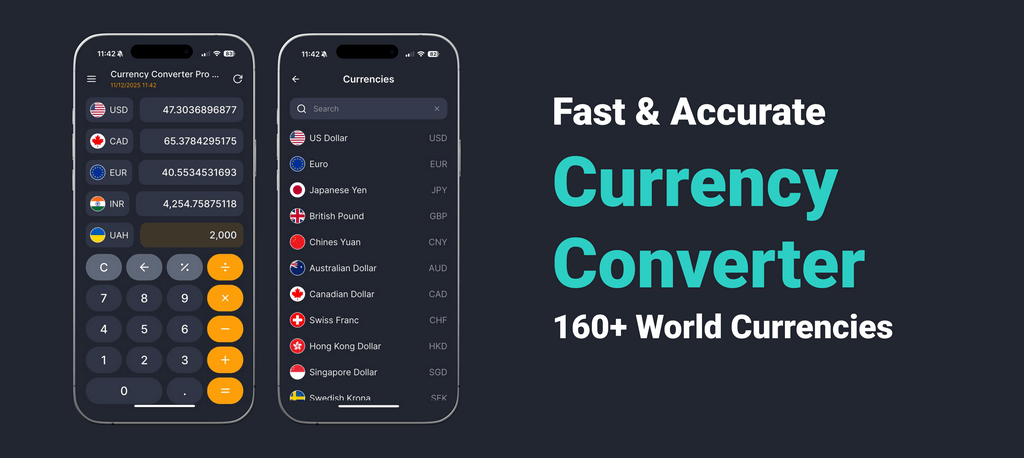
> 💡 For Real-Time Americas Currency Exchange Rates: Exchange rates change throughout each trading day. For the most up-to-date Americas currency rates updated in real-time, download our Currency Converter Pro Live app: > - Download on the App Store - Get live rates on iPhone and iPad > - Get it on Google Play - Get live rates on Android devices > > The app provides real-time exchange rates for 160+ world currencies, updated throughout each trading day based on live market data.
The Americas: Economic Powerhouse and Emerging Markets
The Americas represent a unique mix of economic powerhouses and dynamic emerging markets. From the US Dollar's global dominance to Brazil's growing economy and Mexico's manufacturing sector, Americas currencies play crucial roles in global trade, investment, and remittances.
The region's economic diversity includes:
- The US Dollar (USD): The world's primary reserve currency, used in 60%+ of global trade
- The Canadian Dollar (CAD): A commodity-linked currency tied to oil and natural resources
- The Mexican Peso (MXN): A major emerging market currency influenced by US trade and remittances
- The Brazilian Real (BRL): South America's largest economy, commodity-linked and volatile
- Other Latin American Currencies: Representing diverse emerging markets
This mix creates opportunities and challenges for currency conversion, requiring understanding of both developed and emerging market dynamics.
Commodity-Linked Currencies and Trade Relationships
Many Americas currencies are commodity-linked:
- CAD: Closely tied to oil and natural gas prices
- BRL: Influenced by agricultural exports (soybeans, coffee) and iron ore
- MXN: Affected by oil prices and manufacturing exports
Additionally, strong trade relationships shape these currencies:
- NAFTA/USMCA: Trade agreements between US, Canada, and Mexico create currency correlations
- US Trade: Most Americas currencies are heavily influenced by US economic conditions
- Remittances: Significant remittance flows, especially for MXN, affect exchange rates
Understanding these relationships helps predict currency movements and time conversions effectively.
Conversion Strategies for Americas Currencies
Converting Americas currencies requires different approaches:
- USD Conversions: As the world's reserve currency, USD conversions typically offer the best rates and lowest spreads
- Commodity Timing: For CAD and BRL, consider commodity price trends when planning conversions
- Remittance Patterns: MXN and other Latin American currencies see seasonal patterns based on remittance flows
- Trade Data: Monitor US trade data and economic indicators, as they significantly impact Americas currencies
- Volatility Management: Emerging market Americas currencies (MXN, BRL) can be volatile—consider timing and hedging strategies
The currency pair guides in this section provide specific information on each Americas currency, helping you navigate conversions with confidence.
Americas Currencies Overview
US Dollar (USD)
The US Dollar is the world's primary reserve currency and the most traded currency globally. It serves as the benchmark for most international transactions.
- Symbol: $
- ISO Code: USD
- Central Bank: US Federal Reserve
- Key Features: World's reserve currency, most traded currency, stable economy
Canadian Dollar (CAD)
The Canadian Dollar, also known as the "Loonie," is the official currency of Canada. It is a commodity currency, closely tied to oil and natural resource prices.
- Symbol: $
- ISO Code: CAD
- Central Bank: Bank of Canada
- Key Features: Commodity-linked, stable economy, major trading partner with US
Mexican Peso (MXN)
The Mexican Peso is the official currency of Mexico, one of the largest economies in Latin America. It is heavily influenced by trade with the US and remittances.
- Symbol: $
- ISO Code: MXN
- Central Bank: Banco de México
- Key Features: Trade-dependent, high remittance volume, emerging market
Brazilian Real (BRL)
The Brazilian Real is the official currency of Brazil, the largest economy in South America. It is a major emerging market currency.
- Symbol: R$
- ISO Code: BRL
- Central Bank: Central Bank of Brazil
- Key Features: Major emerging market, commodity exports, large economy
Colombian Peso (COP)
The Colombian Peso is the official currency of Colombia, a major South American economy. It is influenced by commodity prices, especially oil.
- Symbol: $
- ISO Code: COP
- Central Bank: Banco de la República
- Key Features: Commodity-linked, emerging market, growing economy
USD to Americas Currencies
USD to CAD (US Dollar to Canadian Dollar)
- URL: /usd-to-cad
- Average Rate (2025): 1 USD = 1.35 CAD
- Volume: Major North American pair
- Characteristics: Commodity-linked, stable economy
- Use Cases: Cross-border trade, travel
USD to MXN (US Dollar to Mexican Peso)
- URL: /usd-to-mxn
- Average Rate (2025): 1 USD = 17.5 MXN
- Volume: Major Latin American pair
- Characteristics: Trade-dependent, high remittance volume
- Use Cases: Mexican trade, remittances
USD to BRL (US Dollar to Brazilian Real)
- URL: /usd-to-brl
- Average Rate (2025): 1 USD = 5.0 BRL
- Volume: Major emerging market pair
- Characteristics: Commodity-linked, emerging market
- Use Cases: Brazilian trade, investment
USD to COP (US Dollar to Colombian Peso)
- URL: COP conversions (planned)
- Average Rate (2025): 1 USD = 4,200 COP
- Volume: Major South American pair
- Characteristics: Commodity-linked, emerging market
- Use Cases: Colombian trade, investment
Americas Currencies to USD
CAD to USD (Canadian Dollar to US Dollar)
- URL: /cad-to-usd
- Average Rate (2025): 1 CAD = 0.74 USD
- Volume: Major North American pair
- Characteristics: Commodity-linked, stable economy
- Use Cases: Canadian exports, trade
MXN to USD (Mexican Peso to US Dollar)
- URL: /mxn-to-usd
- Average Rate (2025): 1 MXN = 0.057 USD
- Volume: Major Latin American pair
- Characteristics: Trade-dependent, high remittance volume
- Use Cases: Mexican exports, remittances
BRL to USD (Brazilian Real to US Dollar)
- URL: /brl-to-usd
- Average Rate (2025): 1 BRL = 0.20 USD
- Volume: Major emerging market pair
- Characteristics: Commodity-linked, emerging market
- Use Cases: Brazilian exports, investment
COP to USD (Colombian Peso to US Dollar)
- URL: COP conversions (planned)
- Average Rate (2025): 1 COP = 0.00024 USD
- Volume: Major South American pair
- Characteristics: Commodity-linked, emerging market
- Use Cases: Colombian exports, investment
Why Americas Currencies Matter
Economic Powerhouse
The Americas represent one of the world's largest economic regions, with the US alone having the world's largest economy. Americas currencies facilitate trillions of dollars in international trade annually.
Trade Relationships
The Americas have extensive trade relationships, especially between the US, Canada, and Mexico (NAFTA/USMCA). These relationships drive significant currency conversion volumes.
Remittances
The Americas account for a large portion of global remittances, with millions of workers sending money across borders, especially from the US to Mexico and other Latin American countries.
Commodity Exports
Many Americas currencies are commodity-linked, making them sensitive to global commodity prices. This includes CAD (oil), BRL (commodities), and COP (oil).
Tourism
The Americas are major tourism destinations, with millions of travelers requiring currency conversion annually.
Factors Affecting Americas Currency Exchange Rates
Economic Indicators
- GDP Growth: Economic growth differentials across the Americas
- Inflation Rates: Inflation management varies across countries
- Trade Balances: Trade relationships, especially with the US
- Employment Data: Labor market conditions
Commodity Prices
- Oil Prices: Affect CAD, MXN, COP, and BRL
- Agricultural Commodities: Affect BRL and other Latin American currencies
- Metal Prices: Affect currencies of commodity-exporting countries
Monetary Policy
- US Federal Reserve: USD strength affects all Americas currencies
- National Central Banks: Individual central bank policies
- Interest Rate Differentials: Between US and other Americas countries
Regional Factors
- Trade Agreements: NAFTA/USMCA, Mercosur affect currency flows
- Political Stability: Political events across the Americas
- Remittance Flows: Especially for MXN and other Latin American currencies
Frequently Asked Questions (FAQ)
What are the major Americas currencies?
The major Americas currencies are USD, CAD, MXN, BRL, and COP. These represent the largest and most traded currencies in the Americas.
Why is the US Dollar important for Americas currencies?
The US Dollar is important because it is the world's reserve currency and the primary trading partner for most Americas countries. USD strength significantly affects other Americas currencies.
Are Americas currencies commodity-linked?
Many Americas currencies are commodity-linked, including CAD (oil), BRL (commodities), and COP (oil). MXN is more trade-dependent than commodity-linked.
How do remittances affect Americas currencies?
Remittances significantly affect currencies like MXN, as millions of workers send money from the US to Mexico and other Latin American countries. High remittance volumes can strengthen these currencies.
What affects Americas currency rates the most?
The most significant factors are US Federal Reserve policy, commodity prices, trade relationships, economic growth, and remittance flows.
Related Resources
- Currency Converter - Main hub page with all currency information
- USD Conversions - Complete guide to USD currency pairs
- Major Currencies - Guide to major world currencies
- Currency Calculator - Interactive currency conversion calculator
Data Source and Trust
Our exchange rate data is aggregated from multiple international sources including:
- Interbank foreign exchange markets
- Americas central bank reference rates (Fed, BoC, Banxico, BCB, Banco de la República)
- International Monetary Fund (IMF) statistics
- Major financial institutions and currency data providers
Rates are updated in real-time during market hours and reflect mid-market rates (the average between buy and sell prices). Actual rates you receive from banks or exchange services may include margins of 2-10% depending on the provider.
For official exchange rates and monetary policy information, visit the respective Americas central banks or the International Monetary Fund.
Last updated: January 18, 2026