

Middle East & Africa Currencies - Convert AED, ZAR, EGP, GHS
Middle East & Africa (MEA) currencies represent diverse monetary systems across two vast regions, from oil-rich Gulf states with pegged currencies to emerging African markets with commodity-linked currencies. Understanding MEA currency pairs is essential for international trade, investment, remittances, and travel, as these regions represent significant economic activity and growth potential.
The major MEA currencies include the UAE Dirham (AED), South African Rand (ZAR), Egyptian Pound (EGP), and Ghanaian Cedi (GHS). These currencies reflect the economic diversity of the MEA region, from stable, oil-backed Gulf currencies to volatile, commodity-linked African currencies.
What Are Middle East & Africa Currencies?
Middle East & Africa currencies represent the monetary systems of countries across two major regions:
- Middle East: UAE (AED), Saudi Arabia (SAR), and other Gulf states
- Africa: South Africa (ZAR), Egypt (EGP), Ghana (GHS), and other African countries
These currencies share several characteristics:
- Commodity-Linked: Many MEA currencies are influenced by oil, gold, and other commodity prices
- Pegged Currencies: Gulf currencies are often pegged to USD
- Emerging Markets: Many African currencies represent emerging market economies
- Remittances: Significant remittance flows, especially from Gulf states to Africa and Asia
- Tourism: Growing tourism industries, especially in the Middle East
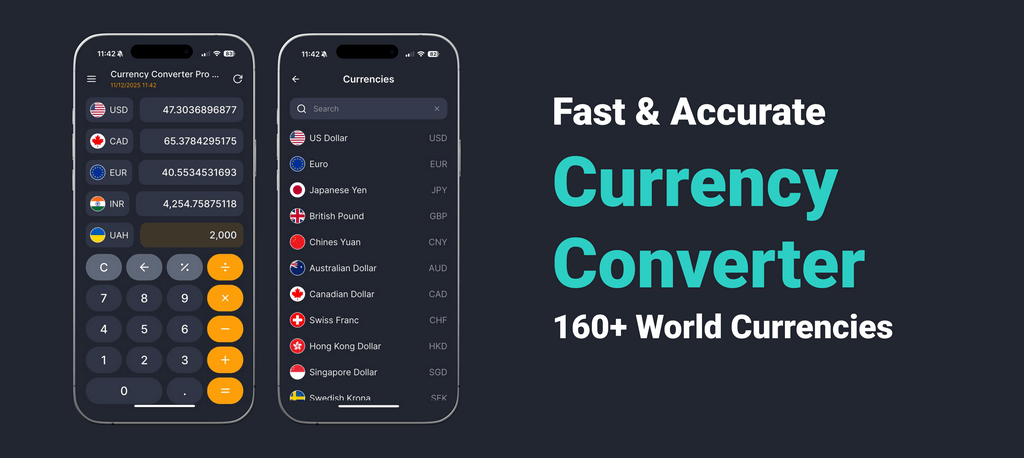
> 💡 For Real-Time MEA Currency Exchange Rates: Exchange rates change throughout each trading day. For the most up-to-date MEA currency rates updated in real-time, download our Currency Converter Pro Live app: > - Download on the App Store - Get live rates on iPhone and iPad > - Get it on Google Play - Get live rates on Android devices > > The app provides real-time exchange rates for 160+ world currencies, updated throughout each trading day based on live market data.
MEA Currencies: Oil, Gold, and Emerging Markets
Middle East & Africa currencies represent a diverse mix of oil-backed Gulf currencies and commodity-linked African markets. From the stable, USD-pegged UAE Dirham to the volatile, gold-linked South African Rand, MEA currencies reflect the region's economic diversity and growth potential.
The MEA currency landscape includes:
- Gulf Currencies (AED, SAR): Pegged to USD, backed by oil wealth, highly stable
- African Commodity Currencies (ZAR): Linked to gold, platinum, and other commodities
- Emerging Markets (EGP, GHS): Representing growing economies with high potential but higher volatility
Understanding MEA currencies is essential for:
- Oil and energy sector transactions
- Mining and commodity trading
- Remittances (significant flows from Gulf states)
- Investment in emerging African markets
Pegged vs Floating: Understanding MEA Currency Systems
MEA currencies operate under different exchange rate systems:
- Pegged Currencies (AED, SAR): Fixed to USD, providing stability but limiting monetary policy flexibility
- Floating Currencies (ZAR, EGP): Market-determined rates, more volatile but allowing independent monetary policy
- Managed Floats: Some MEA currencies use managed float systems, with central bank intervention
This diversity means:
- Gulf currencies offer predictable rates but limited upside/downside
- African currencies can be more volatile but offer trading opportunities
- Commodity prices significantly impact floating MEA currencies
- Geopolitical events affect both pegged and floating MEA currencies
Practical Considerations for MEA Currency Conversions
Converting MEA currencies requires understanding:
- Oil Price Impact: Gulf currencies (pegged to USD) are indirectly affected by oil prices through government revenues
- Commodity Cycles: ZAR and other commodity-linked currencies follow gold, platinum, and agricultural price cycles
- Remittance Flows: Significant remittances from Gulf states to Africa and Asia affect both sending and receiving currencies
- Geopolitical Risk: Regional conflicts and political instability can cause sudden currency movements
- Limited Liquidity: Some MEA currency pairs have lower liquidity, potentially affecting rates and execution
The currency guides in this section provide detailed information on each MEA currency, helping you navigate these unique markets.
MEA Currencies Overview
UAE Dirham (AED)
The UAE Dirham is the official currency of the United Arab Emirates. It is pegged to the US Dollar and is one of the most stable currencies in the Middle East.
- Symbol: د.إ or AED
- ISO Code: AED
- Central Bank: Central Bank of the UAE
- Key Features: Pegged to USD, stable currency, oil-backed economy
South African Rand (ZAR)
The South African Rand is the official currency of South Africa, the most developed economy in Africa. It is a commodity-linked currency, influenced by gold and platinum prices.
- Symbol: R
- ISO Code: ZAR
- Central Bank: South African Reserve Bank
- Key Features: Commodity-linked, emerging market, volatile currency
Egyptian Pound (EGP)
The Egyptian Pound is the official currency of Egypt, one of the largest economies in Africa and the Middle East.
- Symbol: £ or EGP
- ISO Code: EGP
- Central Bank: Central Bank of Egypt
- Key Features: Large economy, tourism-dependent, emerging market
Ghanaian Cedi (GHS)
The Ghanaian Cedi is the official currency of Ghana, one of the fastest-growing economies in Africa.
- Symbol: ₵
- ISO Code: GHS
- Central Bank: Bank of Ghana
- Key Features: Commodity-linked, growing economy, emerging market
USD to MEA Currencies
USD to AED (US Dollar to UAE Dirham)
- URL: /aed-to-usd - Convert UAE Dirham to US Dollar
- Average Rate (2025): 1 USD = 3.67 AED (pegged)
- Volume: Stable pegged currency pair
- Characteristics: Pegged to USD, stable currency
- Use Cases: UAE travel, trade, investment
USD to ZAR (US Dollar to South African Rand)
- URL: /usd-to-zar
- Average Rate (2025): 1 USD = 18.5 ZAR
- Volume: Major African currency pair
- Characteristics: Commodity-linked, volatile currency
- Use Cases: South African trade, investment
USD to EGP (US Dollar to Egyptian Pound)
- URL: EGP conversions (planned)
- Average Rate (2025): 1 USD = 31 EGP
- Volume: Major Middle Eastern/African pair
- Characteristics: Large economy, tourism-dependent
- Use Cases: Egyptian trade, tourism
MEA Currencies to USD
AED to USD (UAE Dirham to US Dollar)
- URL: /aed-to-usd
- Average Rate (2025): 1 AED = 0.27 USD (pegged)
- Volume: Stable pegged currency pair
- Characteristics: Pegged to USD, stable currency
- Use Cases: UAE exports, trade
ZAR to USD (South African Rand to US Dollar)
- URL: /zar-to-usd
- Average Rate (2025): 1 ZAR = 0.054 USD
- Volume: Major African currency pair
- Characteristics: Commodity-linked, volatile currency
- Use Cases: South African exports, investment
EGP to USD (Egyptian Pound to US Dollar)
- URL: EGP conversions (planned)
- Average Rate (2025): 1 EGP = 0.032 USD
- Volume: Major Middle Eastern/African pair
- Characteristics: Large economy, tourism-dependent
- Use Cases: Egyptian exports, tourism
Why MEA Currencies Matter
Economic Growth
The MEA region includes some of the world's fastest-growing economies, especially in Africa. Understanding MEA currencies is essential for anyone involved in international business or investment.
Commodity Exports
Many MEA currencies are commodity-linked, making them sensitive to global commodity prices. This includes ZAR (gold, platinum), AED (oil), and GHS (gold, cocoa).
Remittances
The MEA region accounts for significant remittance flows, with millions of workers sending money across borders, especially from Gulf states to Africa and Asia.
Tourism
The MEA region is a major tourism destination, especially the Middle East. Understanding exchange rates is essential for travelers.
Investment Opportunities
MEA currencies offer investment opportunities in emerging markets, though they may have higher volatility than major currencies.
Factors Affecting MEA Currency Exchange Rates
Commodity Prices
- Oil Prices: Affect AED and other Gulf currencies
- Gold Prices: Affect ZAR and GHS
- Other Commodities: Affect various MEA currencies
Pegged Currencies
- USD Peg: Gulf currencies like AED are pegged to USD
- Stability: Pegged currencies offer stability but limited flexibility
- Central Bank Policy: Maintaining pegs requires significant reserves
Economic Indicators
- GDP Growth: Economic growth across MEA countries
- Inflation Rates: Inflation management varies across countries
- Trade Balances: Trade relationships, especially with major economies
Regional Factors
- Political Stability: Political events significantly affect MEA currencies
- Regional Trade: Intra-regional trade relationships
- Remittance Flows: Especially for African currencies
Frequently Asked Questions (FAQ)
What are the major MEA currencies?
The major MEA currencies are AED, ZAR, EGP, and GHS. These represent some of the largest and most traded currencies in the Middle East and Africa.
Why are Gulf currencies pegged to USD?
Gulf currencies are pegged to USD to provide stability and facilitate trade, as these economies are heavily dependent on oil exports priced in USD.
Are MEA currencies more volatile than major currencies?
Generally, emerging market MEA currencies (ZAR, EGP, GHS) can be more volatile than major currencies, while pegged currencies (AED) tend to be more stable.
How do commodity prices affect MEA currencies?
Commodity prices significantly affect MEA currencies, as many of these economies are commodity exporters. Oil prices affect Gulf currencies, while gold prices affect ZAR and GHS.
What affects MEA currency rates the most?
The most significant factors are commodity prices, USD strength (for pegged currencies), economic growth, political stability, and remittance flows.
Related Resources
- Currency Converter - Main hub page with all currency information
- USD Conversions - Complete guide to USD currency pairs
- Major Currencies - Guide to major world currencies
- Currency Calculator - Interactive currency conversion calculator
Data Source and Trust
Our exchange rate data is aggregated from multiple international sources including:
- Interbank foreign exchange markets
- MEA central bank reference rates (CBUAE, SARB, CBE, BoG)
- International Monetary Fund (IMF) statistics
- Major financial institutions and currency data providers
Rates are updated in real-time during market hours and reflect mid-market rates (the average between buy and sell prices). Actual rates you receive from banks or exchange services may include margins of 2-10% depending on the provider.
For official exchange rates and monetary policy information, visit the respective MEA central banks or the International Monetary Fund.
Last updated: January 18, 2026