

Brazilian Peso to USD — Convert Brazil Money to US Dollar (With Real-World Context)
People sometimes say “Brazilian peso” when they really mean Brazil’s everyday money — the currency used for pricing, salaries, and payments inside Brazil. The practical goal is straightforward: convert Brazil money to US dollars, whether you’re checking a budget, a payment, a transfer, or an exchange quote.
This page helps you convert “Brazilian peso to USD” in a way that matches how currency conversion works in the real world. You’ll learn:
- what currency is actually used in Brazil (and why the “peso” wording appears),
- the correct BRL→USD formula,
- why different services show different results at the same time,
- how to estimate spreads and avoid hidden costs (especially with cards and cash exchange).
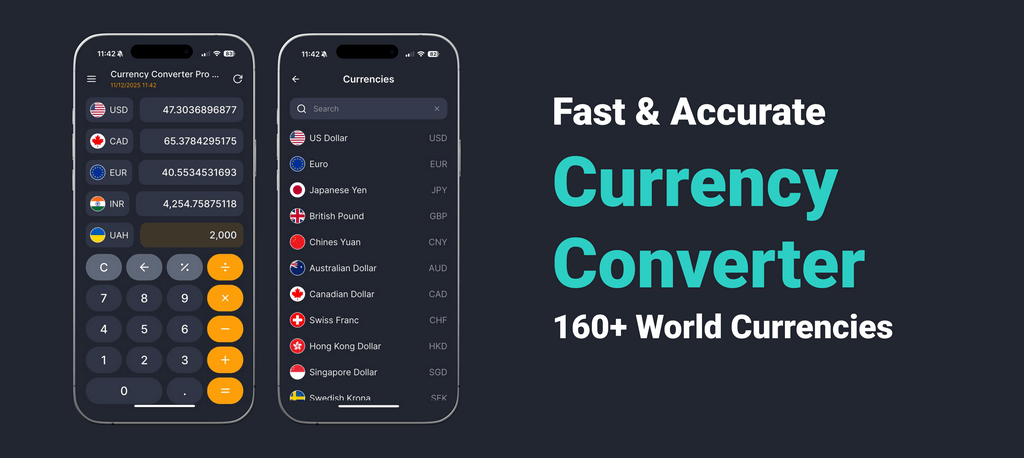
If you need an instant live reference quote, use Currency Converter Pro Live in the header above. Below is the high‑signal guide — built for clarity, not confusion.
What currency does Brazil use?
Brazil’s official currency is the Brazilian real, with the code BRL. In everyday conversation across Latin America, many people use the word “peso” as a generic label for “local money”, because several neighboring countries do use pesos. That habit spills into searches and casual phrasing, even when the country’s currency is different.
So when someone asks for “Brazilian peso to USD”, the conversion they usually want is:
- BRL → USD (Brazilian real to US dollar)
On this page, we treat “Brazilian peso” as the practical intent: convert Brazil money into USD — while using the correct BRL-based math.
Brazilian peso to USD: the conversion formula (BRL→USD)
To convert Brazil money into US dollars, you use a simple multiplication:
- USD = BRL × (BRL/USD rate)
Because live markets move, we won’t guess the live quote inside the article. Instead, here’s an example to demonstrate the calculation. If a reference quote is:
- 1 BRL = 0.20 USD (example only)
Then common conversions look like this:
- R$ 1.00 ≈ $0.20
- R$ 10.00 ≈ $2.00
- R$ 50.00 ≈ $10.00
- R$ 100.00 ≈ $20.00
- R$ 1,000.00 ≈ $200.00
Important: your final USD amount may differ because the service you use applies spreads and fees. A “reference quote” is a baseline; a “provider quote” is what you actually receive.
Why your result changes between websites, banks, cards, and cash exchange
When you compare a few converters, you may see multiple “correct” numbers at the same time. That’s because there are different rate contexts:
- Mid‑market reference: a neutral midpoint between buy and sell quotes. Many sites show this as a baseline estimate.
- Brazil benchmark context (PTAX): in Brazil, PTAX is widely referenced as a benchmark methodology/rate context, while real providers still price with their own margins.
- Provider rate: the rate you get from a bank, card issuer, transfer service, or exchange desk — after spreads/fees.
The provider rate is what matters for real life. Two providers can start from the same market reference and still deliver different outcomes because of pricing, fees, and risk buffers.
Spreads and fees: the 80/20 of FX costs
Most overpayment comes from two sources:
- Spread: the provider’s margin embedded into the rate. This is the most common hidden cost.
- Fees: fixed or percentage charges on top of the rate (common in transfers and some card products).
Some services advertise “zero fee” but widen the spread. Others show a good headline rate but add a visible fee at checkout. The only fair comparison is the all‑in cost: how many USD you end up with for the same BRL amount.
How to convert Brazil money to USD like a pro
Step 1 — Decide the conversion method (this changes the economics)
People convert BRL to USD for very different reasons. Your “best method” depends on what you’re doing:
- International transfer: compare delivered USD after fees; don’t focus only on the headline rate.
- Card payment: the card issuer’s FX policy + foreign transaction fees can matter more than the market quote.
- Cash exchange: convenience often increases the spread, especially in high‑traffic tourist locations.
- Budgeting / pricing: a mid‑market reference rate is a clean estimate baseline.
Step 2 — Sanity-check the quote against a reference
Start with a live reference quote (mid‑market baseline) and compare the provider’s final USD amount. Then ask:
- How wide is the spread? (provider vs reference)
- What fees apply? (fixed / percentage)
Even small differences matter when you convert frequently or in large amounts. For example, a 2% spread on R$ 10,000.00 is the difference between “fair” and “expensive”.
Step 3 — Use consistent test amounts to compare providers
Pick a test amount like R$ 1,000.00 or R$ 5,000.00 and compare the final USD you would receive. Avoid comparing “rate screenshots” without the fee breakdown — it’s the fastest way to misjudge real costs.
Card payments and the most common hidden markup: DCC
When you pay by card and are offered a choice like “Pay in USD instead of BRL?”, you may be seeing dynamic currency conversion (DCC). It feels helpful, but it can include a markup compared to letting your card issuer convert at its own FX rate.
A practical approach: if you have a choice, consider paying in the original currency (BRL) and letting your card issuer convert — then compare the effective rate on your statement to a reference quote. If you see consistent overpricing, you’ll know where the cost is coming from.
Market context: what typically moves BRL vs USD?
Exchange rates move because markets constantly price future expectations. For BRL vs USD, the most common drivers include:
- Global USD cycles: broad USD strength can pressure many currencies at the same time.
- Brazil macro expectations: inflation outlook, interest-rate expectations, and fiscal headlines can influence BRL.
- Risk sentiment: in risk‑off phases, demand for USD often rises.
- Commodity cycles: Brazil’s export profile can affect longer-term BRL dynamics.
You don’t need to predict markets to convert well. The key is understanding that “today’s quote” is a moving reference — and the provider’s pricing model is what determines your final outcome.
Quick checklist: get a better BRL→USD outcome
- Start with a reference (mid‑market baseline) to estimate a fair quote.
- Compare all‑in cost: final USD after fees, not marketing claims.
- Watch for DCC prompts on card payments.
- Avoid last‑minute cash exchange for large amounts when possible.
- Use consistent test amounts (like R$ 1,000.00) to make spreads visible.
Frequently Asked Questions (FAQ)
Data source and trust
We explain how BRL→USD conversion works and how real-world providers price FX. For Brazil reference-rate context and methodology notes (including PTAX benchmarking used in Brazil), review official resources from the Central Bank of Brazil (BCB):
Live market quotes can update continuously during active trading hours. Your final provider rate may differ due to spreads and fees. For the latest reference quote, track it in Currency Converter Pro Live.
Last updated: January 20, 2026