

RL to USD — Convert Brazil Real to US Dollar (With Practical Brazil Context)
In Brazil, people sometimes write “RL” when they’re talking about the Brazilian real — Brazil’s everyday currency (code BRL). Whether you’re checking a budget, comparing a bank quote, pricing an online purchase, or reviewing a transfer, the practical question is the same:
- How much is RL (real/BRL) worth in USD?
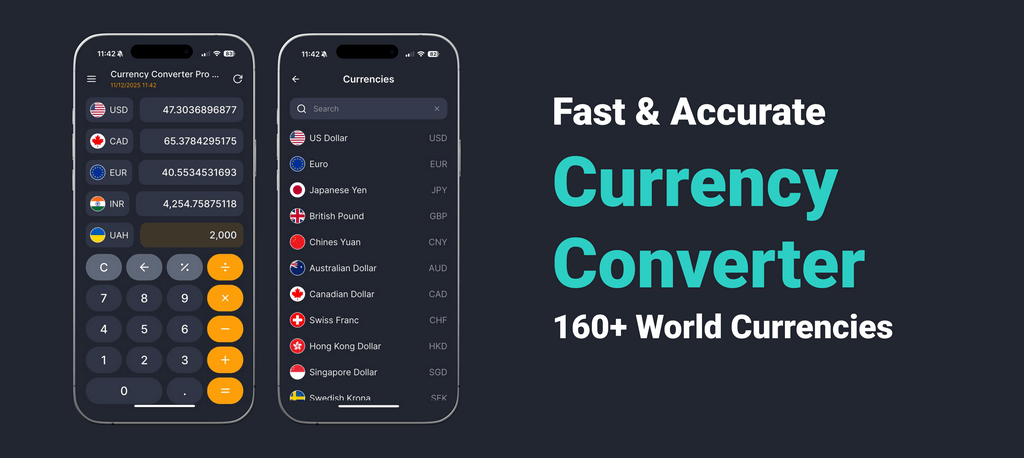
This page gives you a clear, real‑world guide to converting RL to USD without confusion. You’ll learn the exact conversion math, why rates differ across services, and how to spot spreads and hidden costs. For instant live reference quotes, use Currency Converter Pro Live in the header above.
What does “RL” mean in Brazil?
Brazil’s currency is the real (plural: reais). You’ll see it as R$ on prices and receipts, and as BRL in banking apps and official contexts. The shorthand “RL” appears in casual typing and informal notes — especially when people want a quick “real to dollar” estimate.
So when you see “RL to USD”, the practical interpretation is:
- BRL → USD (Brazilian real to US dollar)
We keep the wording simple and practical while using the correct BRL-based math under the hood.
RL to USD conversion formula (BRL→USD)
The conversion formula is straightforward:
- USD = BRL × (BRL/USD rate)
Because live markets move continuously, this article uses an example rate purely to show the math. If a reference quote were:
- 1 BRL = 0.20 USD (example only)
Then common “RL” amounts convert like this:
- R$ 10.00 ≈ $2.00
- R$ 50.00 ≈ $10.00
- R$ 100.00 ≈ $20.00
- R$ 500.00 ≈ $100.00
- R$ 1,000.00 ≈ $200.00
- R$ 10,000.00 ≈ $2,000.00
Important: your final USD can differ because providers add spreads and fees. Think of a reference quote as the baseline — and the provider quote as what you actually receive.
Why your RL→USD number differs between sources
If you compare a few “RL to USD” converters, you may notice differences — even at the same moment. That’s normal. Different sources display different rate contexts:
- Mid‑market reference: a neutral midpoint between buy and sell quotes. Often used as a clean baseline estimate.
- Brazil benchmark context (PTAX): in Brazil, PTAX is widely referenced as a benchmark methodology/rate context, while real providers still price with their own spreads.
- Provider rate: the rate a bank, card issuer, transfer service, or exchange desk applies to your transaction.
In real life, the provider rate is decisive — because it includes the costs that matter: spreads, fees, and sometimes risk buffers.
Spreads & fees: the practical economics of conversion
Most “mystery differences” in currency conversion come from two places:
- Spread: the provider’s margin embedded inside the rate.
- Fees: fixed or percentage charges (more common in transfers and certain card products).
The best way to compare providers is not by screenshots of a rate, but by the final USD outcome for the same BRL amount.
Convert RL to USD like an analyst (simple 3-step method)
Step 1 — Start with a reference baseline
Check a live reference quote to understand the baseline. This tells you whether a provider’s quote is close to fair or noticeably expensive.
Step 2 — Evaluate the provider’s “all‑in” outcome
Ask: how many USD do you actually receive after fees? A provider can show a good rate but add a fee; another can show “no fee” but widen the spread. Both can lead to different totals.
Step 3 — Compare using consistent test amounts
Use a consistent amount like R$ 1,000.00 or R$ 5,000.00 and compare the final USD. This makes spreads visible and prevents accidental miscomparison.
Cards and the most common hidden markup: DCC
If you pay by card and see an option like “Pay in USD instead of BRL?”, you may be seeing dynamic currency conversion (DCC). It’s marketed as convenience, but it often includes a markup compared to letting your card issuer convert.
A practical approach: when you have a choice, consider paying in BRL and letting the card issuer convert — then compare the effective rate on your statement with a reference quote. That’s how you discover where the real cost sits.
When RL→USD matters most (and what to prioritize)
Different use cases require different priorities:
- Travel budgeting: reference quotes are great for estimating costs; cash exchange spreads can change totals.
- Online purchases: your card’s FX policy and fees matter. Watch for DCC prompts.
- International transfers: compare delivered USD after fees, not just headline rates.
- Income conversion: if timing is flexible, tracking reference rates can help with planning.
Market context: what typically moves BRL against USD?
BRL vs USD moves because markets price future expectations. The most common drivers include:
- Global USD cycles: broad USD strength can pressure many currencies.
- Brazil macro expectations: inflation outlook, rate expectations, and fiscal headlines can move BRL.
- Risk sentiment: in risk‑off periods, USD often strengthens.
- Commodity cycles: Brazil’s export profile influences BRL in longer horizons.
For most people, the best “strategy” is not forecasting — it’s making sure the provider you use isn’t quietly expensive relative to a fair baseline.
Quick checklist: get a better RL→USD conversion outcome
- Start with a reference baseline so you can judge fairness.
- Compare all‑in outcomes: final USD after fees, not marketing slogans.
- Watch for DCC prompts on card payments.
- Avoid last‑minute cash exchange for larger amounts when possible.
- Use consistent test amounts (e.g., R$ 1,000.00) to compare spreads.
Audit a provider quote in 60 seconds (spread check)
If you want to know whether a bank, exchange desk, or transfer service is expensive, use a quick “audit” method:
- Take a reference baseline (mid‑market) at the same moment.
- Ask for the final outcome — how many USD you receive for a fixed BRL amount, after all fees.
- Convert that outcome into an implied rate (USD received ÷ BRL sent).
- Compare implied rate vs reference to estimate the spread.
This avoids a common trap: comparing “headline rates” while ignoring fees or minimum charges. It also reveals when “no fee” simply means “wider spread”.
Transfers vs cards vs cash: which one is typically closest to fair?
There’s no universal winner, but there are consistent patterns:
- Cards: great for convenience. The effective cost depends on the issuer’s FX policy and any foreign transaction fee. Watch for DCC prompts.
- Transfers: best when you compare delivered USD after fees. For larger amounts, the fee structure matters more than tiny rate differences.
- Cash exchange: varies the most. Convenience locations often price wider spreads; planning ahead usually helps.
The “best” option is the one with the best all‑in result for your use case, not the one with the prettiest advertised rate.
Common RL→USD mistakes (and how to avoid them)
- Mixing direction: BRL→USD is different from USD→BRL. Always check whether the quote is “USD per BRL” or “BRL per USD”.
- Ignoring fixed fees: small transfers can look cheap until a fixed fee is applied.
- Assuming PTAX equals what you get: PTAX is a benchmark context; providers still apply spreads and fees.
- Not using consistent test amounts: compare providers on the same BRL amount to see the true difference.
Frequently Asked Questions (FAQ)
Data source and trust
We explain how BRL→USD conversion works and how real-world providers price FX. For Brazil reference-rate context and methodology notes (including PTAX benchmarking used in Brazil), review official resources from the Central Bank of Brazil (BCB):
Live market quotes can update continuously during active trading hours. Your final provider rate may differ due to spreads and fees. For the latest reference quote, track it in Currency Converter Pro Live.
Last updated: January 20, 2026