

USD to MXN — Dollars to Mexican Pesos, Explained Like You’ll Actually Use It
If you’re searching “dollar to MXN”, you usually want one of two things: a fast conversion for a specific amount (for travel, shopping, or budgeting), or a clear explanation of why the number you see online doesn’t always match what a bank, card, or cash exchange gives you in Mexico.
This page is built for that real-world gap. It shows you the correct conversion logic, the practical reasons quotes differ, and the small checks that stop you from overpaying—without turning it into a finance lecture.
Quick answer: what does USD→MXN mean?
USD→MXN means converting US dollars (USD) into Mexican pesos (MXN). A quote like 1 USD = X MXN reads as “one dollar buys X pesos” before a provider’s spread/fees.
To keep examples honest (and avoid pretending a live quote), here is a sample rate for demonstration only:
- 1 USD = 17.20 MXN (example only)
How to convert USD to MXN (the formula that never lies)
The correct formula is simple:
- MXN = USD × (USD/MXN rate)
Using the same example quote (17.20 MXN per 1 USD, example only), quick conversions look like this:
- $10.00 ≈ MX$ 172.00
- $20.00 ≈ MX$ 344.00
- $50.00 ≈ MX$ 860.00
- $100.00 ≈ MX$ 1,720.00
- $500.00 ≈ MX$ 8,600.00
- $1,000.00 ≈ MX$ 17,200.00
Reality check: your final pesos can be higher or lower depending on how you convert—cash exchange vs card vs transfer. The next sections explain why.
Why “currency USD MXN” results differ between websites, banks, and street exchange
People expect one “official” number. In practice you see multiple legitimate numbers because they serve different purposes:
- Reference rate: a baseline quote used for comparison and budgeting.
- Provider rate: what a bank, card issuer, transfer service, or exchange desk applies after adding a margin.
- All‑in outcome: the only number that matters in the end: how many pesos you actually receive (or pay) after fees.
Mexico is a great place to remember this, because USD pricing and MXN spending often collide: tourism corridors, cross‑border shopping, online subscriptions priced in USD, and remittances. The USD/MXN “headline” is a map—your provider quote is the road.
Spread: the silent price inside the rate
The spread is the provider’s margin baked into the conversion. Two services can both claim “no fee” and still produce different outcomes if one uses a wider spread. If you only compare headlines, the expensive option can look cheap.
Fees: the visible price on top
Fees are easier to spot because they’re listed. But a small fixed fee can dominate small conversions (e.g., converting $20.00), while a slightly wider spread can dominate large conversions (e.g., converting $1,000.00). That’s why “best” depends on your amount and method.
Mexico-specific tip: watch for card conversion prompts (DCC)
At checkout—especially in tourist-heavy areas—you may be offered a choice that looks friendly: “Pay in USD or pay in MXN?” That’s often dynamic currency conversion (DCC). It can be convenient, but it may include a markup compared to letting your card issuer do the conversion.
A practical habit: when you have the option, consider paying in MXN (the local currency) and later check the effective rate on your statement. If the merchant’s conversion looks worse than your issuer’s typical outcome, decline DCC next time. The best rule is consistency: compare outcomes over a few transactions.
Choose the right conversion path (cards vs cash vs transfers)
1) Paying by card
Cards are convenient, but outcomes vary by issuer policy (foreign transaction fees, exchange-rate method, settlement timing). If you travel often, it’s worth learning your card’s “personality” by checking the implied rate on statements for a couple of purchases.
2) Exchanging cash (USD→MXN)
Cash exchange quality depends heavily on location and convenience. Airport desks and “quick” counters may price wider spreads. When you must exchange cash, compare the posted buy/sell and don’t be shy about asking the final pesos you receive for a fixed amount like $100.00.
3) Sending money / receiving money
For transfers and remittances, judge services by the delivered MXN after all fees. The best service is the one that delivers the most pesos for your dollars at your exact amount—not the one with the prettiest marketing line.
Audit a USD→MXN quote in 60 seconds (implied-rate method)
When someone quotes you a conversion, you can quickly estimate if it’s expensive:
- Pick a test amount: $100.00 works well.
- Ask for the final pesos you’ll receive (fees included).
- Compute the implied rate: final MXN ÷ USD.
- Compare that implied rate to a reference baseline taken at the same moment.
This method avoids the classic trap: comparing rate screenshots while ignoring “fee-free” spreads or minimum charges.
Common searches you’ll see in Mexico (and what people really mean)
- “us money to pesos” / “american money to pesos” → Usually USD→MXN conversion for travel or shopping.
- “dollar and peso” → Often looking for the current relationship and a fast calculator.
- “dollar en peso” → Spanglish phrasing; intent is still USD→MXN.
- “us mxn” → Short query for the USD/MXN pair or conversion tool.
- “exchange rate USD to MXN” → Wants “today’s” context and a trustworthy source baseline.
Practical checklist: getting a better USD→MXN outcome
- Start with a baseline (reference quote) so you know what “fair” looks like.
- Compare outcomes, not slogans: final MXN delivered for a fixed USD amount.
- Be consistent at checkout to spot DCC and hidden markups.
- For cash exchange, avoid the most convenience-priced counters when you can.
- For transfers, judge by delivered pesos after fees at your exact amount.
Frequently Asked Questions (FAQ)
Data source and trust
For Mexico reference-rate context and official information about the Mexican peso, the most authoritative source is the Bank of Mexico (Banxico). For data and methodology context, consult Banxico’s official resources:
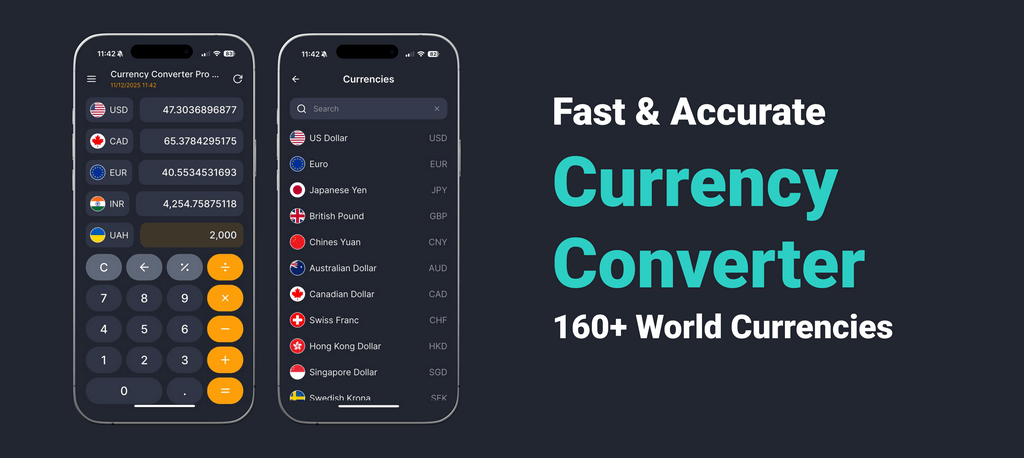
Live market quotes can update continuously during active trading hours. Your final provider rate may differ due to spreads and fees. For a quick live reference while you read, use Currency Converter Pro Live.
Last updated: January 20, 2026