

USD to BRL — Convert US Dollar to Brazilian Real
Brazil is one of those places where prices can be everywhere — a hotel deposit in USD, a tour quoted in BRL, and a card charge that posts later in dollars. That’s why queries like american dollar to brazilian real pop up right before you pay: you’re trying to translate “R$” into a USD decision, or the other way around, without getting surprised by the final charge.
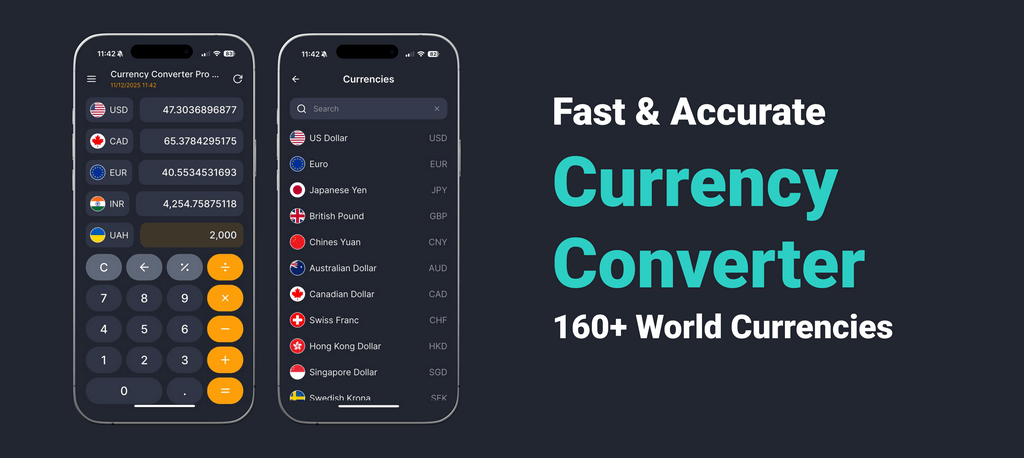
This page converts US Dollar (USD, $) to Brazilian Real (BRL, R$) using a live reference benchmark. Use it as your baseline, then compare providers by the all‑in outcome (final BRL delivered or USD charged after spread and fees). For the most актуальный ориентир at the moment you act, open the currency app from the header.
Live exchange rate: USD → BRL today
USD/BRL is typically quoted as BRL per 1 USD. In that quote format:
- USD → BRL: multiply (USD × BRL per 1 USD).
- BRL → USD: divide (BRL ÷ BRL per 1 USD).
US dollars to reais: a quick “does this look right?” check
When the quote is “BRL per 1 USD,” converting from USD should produce a larger BRL amount (reais amounts look bigger). If you’re getting something tiny, you likely flipped the direction.
Why BRL conversions feel different from “major pairs”
Retail spreads can be noticeably different across providers, especially outside peak hours. That doesn’t mean your converter is “wrong” — it means benchmarks and executed retail pricing are two different layers. Use the benchmark to compare, then evaluate the all‑in result you’re actually offered.
How to convert USD to BRL (in practice)
Step 1: Enter your USD amount and select BRL.
Step 2: Treat the result as a reference baseline (not a guaranteed execution rate).
Step 3: Decide the channel: card purchase, bank transfer, cash exchange, or ATM withdrawal — then account for its costs.
Brazil travel reality: cash vs card vs instant payments
Many travellers in Brazil mix methods: cards for convenience, some cash for smaller merchants, and local payment rails for residents. Even if you’re not using local payment methods directly, understanding that retail pricing differs by channel helps you set expectations.
Common conversions (example math only — not live rates)
Example only (not a live rate): assume 1 USD = 5.00 BRL (example benchmark).
| Amount (USD) | Example rate | Approx. result (BRL) |
|---|---|---|
| $10 | 5.00 BRL per 1 USD | R$ 50.00 |
| $50 | 5.00 BRL per 1 USD | R$ 250.00 |
| $100 | 5.00 BRL per 1 USD | R$ 500.00 |
| $250 | 5.00 BRL per 1 USD | R$ 1,250.00 |
| $1,000 | 5.00 BRL per 1 USD | R$ 5,000.00 |
“100 dollars to Brazilian real” — the clean comparison trick
Pick one fixed amount (like $100), check the benchmark, then compare providers by the final BRL you receive after fees. This exposes fixed fees and hidden margins quickly.
Fees & spread: why your USD→BRL result differs
- Spread: the provider’s margin embedded into the retail rate.
- Fees: transfer fees, ATM fees, intermediary charges, and issuer fees.
- Timing: weekends/off‑hours can widen buffers.
Cards: why your posted USD may not match the moment you paid
Card transactions can settle later than the purchase time, and conversion may be applied at settlement. That’s why your statement can differ slightly from what you saw at checkout. Use the benchmark to spot when pricing is far from baseline, and factor in issuer fees.
Cash exchange: what to watch for (without overthinking)
Cash exchange can be convenient, but spreads vary widely. A simple habit: compare the offered rate (and any fee) against your baseline quote. If the gap is large, consider an alternative provider.
DCC prompt: “Pay in USD or BRL?”
If a terminal or ATM offers to charge you in USD instead of BRL, that’s typically Dynamic Currency Conversion (DCC). DCC often adds an extra markup on top of the normal conversion path.
- Rule of thumb: choose BRL (local currency) and let your card network/issuer convert to USD.
ATM wording like “guaranteed rate” — how to react
“Guaranteed rate” language can be a DCC signal. Slow down, compare the implied pricing with your baseline, and if you’re unsure, choose local currency.
Related pages
If you need the reverse direction, use the USD to COP converter . For broader USD context, see the US dollar (USD .
- US dollar (USD
- USD to COP converter
- USD to INR converter
- USD to GBP converter
- USD to ILS converter
- USD to NZD converter
FAQ — USD to BRL
What is 1 USD in BRL today?
Use the converter for a live reference benchmark. Your executed USD→BRL depends on provider spreads, fees, and timing.
How do I convert USD to BRL (multiply or divide)?
If the quote is BRL per 1 USD, convert USD→BRL by multiplying USD × rate. Convert BRL→USD by dividing BRL ÷ rate.
Why do different services show different USD→BRL results?
Retail providers apply different spreads and fees and may widen buffers during off‑hours or weekends. Compare the all‑in BRL outcome for the same USD amount.
Should I accept DCC when paying in Brazil?
Usually no. Choose BRL to avoid DCC markups and let your network/issuer convert to USD.
Is “no fee” always the cheapest option?
Not always. “No fee” can still include a wider spread. Compare the final BRL result you receive for the same USD amount.
Do weekend rates differ?
They can. Some providers widen buffers during weekends/off‑hours. For meaningful amounts, compare again during regular market hours.
Sources
- Banco Central do Brasil — Official context for BRL and Brazil’s financial system.
- Federal Reserve — Official context for USD policy and financial conditions.
- BIS — FX market structure and benchmark vs retail pricing concepts.
- Visa — Card FX conversion basics and why charged amounts can differ.
- Mastercard — Factors that affect currency conversion on card transactions.
Educational only, not financial advice.
Last updated: January 21, 2026