

USD to ILS — Convert US Dollar to Israeli Shekel
ILS is a “daily‑life” currency: cafés in Tel Aviv, taxi apps, museum tickets, rent deposits — the shekel is everywhere. But USD shows up too: some SaaS tools, remote invoices, and international bookings still quote in dollars. That’s why searches like dolar to shekel often happen in the most practical moment: you’re about to pay, you saw a price tag in ₪, and you want a USD number that makes sense before the transaction becomes permanent.
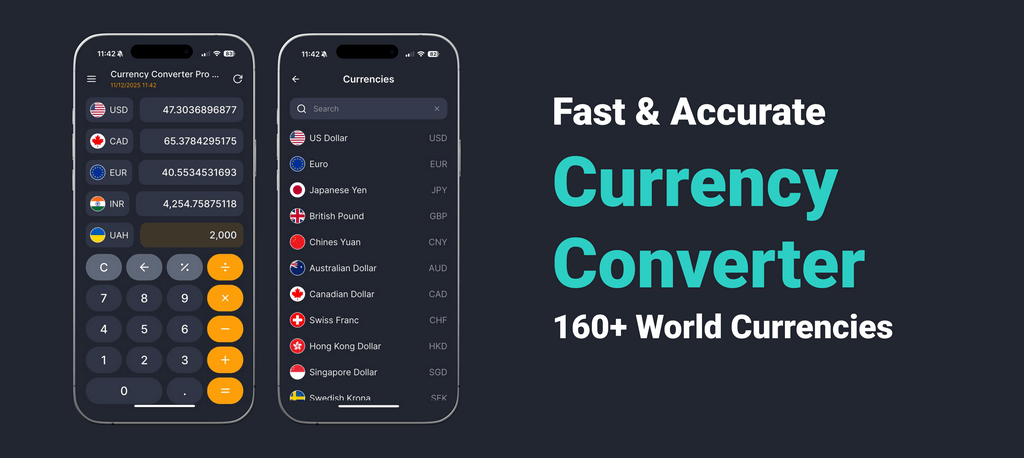
This page converts US Dollar (USD, $) to Israeli Shekel (ILS, ₪) using a live reference benchmark. Use it as a baseline, then compare your bank, card, or transfer provider by the all‑in result after spreads and fees. For a fast check on the most актуальный ориентир, open the currency app from the header.
Live exchange rate: USD → ILS today
USD/ILS is usually quoted as ILS per 1 USD. In that quote format:
- USD → ILS: multiply (USD × ILS per 1 USD).
- ILS → USD: divide (ILS ÷ ILS per 1 USD).
“₪” isn’t “$”: the symbol mix‑up that causes bad conversions
It sounds obvious, but symbol confusion is common when you’re moving fast. “₪” is ILS, “$” is USD. When you’re checking a receipt or an app checkout, confirm the currency code (USD vs ILS) before you compare prices.
USD→ILS pricing can vary more than you expect (provider behavior)
Your converter shows a benchmark reference. Retail providers price around that baseline with their own spreads and fee structures — and some may widen buffers during off‑hours or volatile periods. The best habit is to compare the final ILS delivered (or USD charged) for the same amount.
How to convert USD to ILS (in practice)
Step 1: Enter your USD amount and select ILS.
Step 2: Treat the result as a benchmark reference (not a guaranteed execution rate).
Step 3: Choose your channel: card purchase, bank transfer, cash exchange, or ATM withdrawal — and compare all‑in outcomes.
Invoice reality: when USD pricing meets an ILS budget
If you’re budgeting in shekels but being billed in USD, focus on the total cost after fees, not just the “headline” quote. A quick workflow: check the benchmark in the app, then compare your provider’s all‑in quote for the same USD amount (especially for transfers).
Common conversions (example math only — not live rates)
Example only (not a live rate): assume 1 USD = 3.70 ILS (example benchmark).
| Amount (USD) | Example rate | Approx. result (ILS) |
|---|---|---|
| $10 | 3.70 ILS per 1 USD | ₪37.00 |
| $50 | 3.70 ILS per 1 USD | ₪185.00 |
| $100 | 3.70 ILS per 1 USD | ₪370.00 |
| $250 | 3.70 ILS per 1 USD | ₪925.00 |
| $1,000 | 3.70 ILS per 1 USD | ₪3,700.00 |
“100 dollars to shekel” — a quick sanity check for travel spending
When you’re estimating daily spend, small differences in provider pricing won’t change the big picture — but fixed fees can. For smaller conversions, avoid paying a high flat fee just to exchange a small amount. Use the benchmark and compare the all‑in result.
Fees & spread: why your USD→ILS result differs
- Spread: provider margin embedded into the retail rate.
- Fees: transfer fees, ATM fees, intermediary charges, issuer fees.
- Timing: weekend/off‑hours buffers can widen pricing.
Cards in Israel: the “posted later” effect
Card transactions can settle later than the purchase moment. Your bank may apply conversion at settlement and add fees, so the final USD amount can differ from a benchmark you checked earlier. Use the reference quote to orient yourself, then judge by the posted total.
Cash exchange: when the “best looking sign” isn’t the best deal
Some exchanges advertise attractive rates but charge fees or apply spreads on certain denominations. Compare the offered all‑in outcome to your baseline. If the gap is large, consider another provider or a different channel.
DCC prompt: “Pay in USD or ILS?”
If a terminal or ATM offers to charge you in USD instead of ILS, that’s typically Dynamic Currency Conversion (DCC). DCC often adds an extra markup on top of normal conversion.
- Rule of thumb: choose ILS (local currency) and let your card network/issuer convert to USD.
Tourist traps: how DCC is “sold” at checkout
DCC is often presented as convenience (“know the exact USD now”). The trade‑off is usually a worse rate. If you want a fast benchmark without DCC, check the app and pay in ILS.
Related pages
If you need the reverse direction, use the USD to COP converter . For broader USD context, see the US dollar (USD .
- US dollar (USD
- USD to COP converter
- USD to INR converter
- USD to GBP converter
- USD to NZD converter
- USD to ZAR converter
FAQ — USD to ILS
What is 1 USD in ILS today?
Use the converter for a live reference benchmark. Your executed USD→ILS depends on provider spreads, fees, timing, and channel.
Do I multiply or divide to convert USD to shekels?
If the quote is ILS per 1 USD, convert USD→ILS by multiplying USD × rate. Convert ILS→USD by dividing ILS ÷ rate.
Why does my bank’s USD→ILS rate differ from the benchmark?
Banks and providers price retail FX with spreads and fees. The benchmark is a baseline; the executed conversion reflects your provider’s margin and charges.
Should I accept DCC when paying in Israel?
Usually no. Choose ILS to avoid DCC markups and let your network/issuer convert to USD.
Is “no fee” always the cheapest way to convert USD to ILS?
Not necessarily. “No fee” can still include a wider spread. Compare the all‑in ILS result for the same USD amount.
Do weekend rates differ?
They can. Some providers widen buffers during weekends/off‑hours. For meaningful conversions, compare again during regular hours.
Sources
- Bank of Israel — Official context for ILS and monetary policy.
- Federal Reserve — Official context for USD policy and financial conditions.
- BIS — FX market structure and benchmark vs retail pricing concepts.
- Visa — Card FX conversion basics and why charged amounts can differ.
- Mastercard — Factors that affect currency conversion on card transactions.
Educational only, not financial advice.
Last updated: January 21, 2026