

USD to JMD — Convert US Dollar to Jamaican Dollar
If you searched us currency to jamaican dollars, you’re probably doing one of two things: budgeting a Jamaica trip (resort totals, tours, airport taxi), or decoding a charge that shows J$ and wondering what it means in USD. This page is designed for that practical moment—not theory. Use the real converter on the page (and the demo converter in the header) to get a live reference quote for US Dollar (USD, $) → Jamaican Dollar (JMD, J$), then read the notes below to estimate what you’ll actually pay after fees and provider markups.
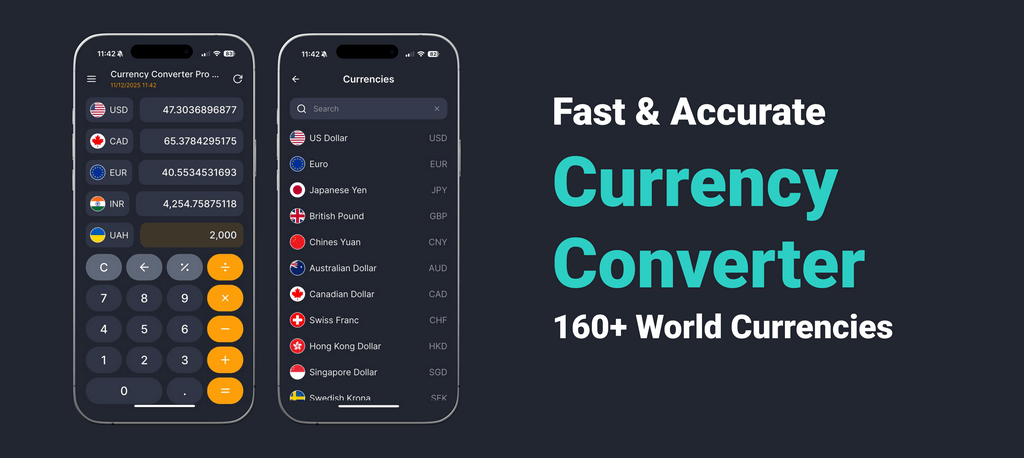
If you’re comparing options while traveling—card vs ATM vs cash—having the app ready makes it easier to re-check totals right before you commit.
Live exchange rate: USD → JMD today
“Live” here means the calculator shows a reference quote that updates. It’s great for orientation, but your final JMD can differ depending on where and how you exchange.
Quote format: the fast way to read USD→JMD
Most quotes are JMD per 1 USD. That makes the core math simple: - USD × (JMD per USD) ≈ JMD
Sanity check: converting from USD into JMD should normally give a bigger number. If your result suddenly looks tiny, you may be reading the inverse.
How to convert USD to JMD (in practice)
Step 1 — Enter your USD amount in the converter and select JMD (or use the header demo converter).
Step 2 — Decide which lane you’re in:
- Card purchase: network conversion + your issuer’s pricing (sometimes with a foreign transaction fee)
- ATM withdrawal: operator fee + your bank’s fee + FX pricing
- Cash exchange: desk spreads; sometimes different “tourist” vs “local” pricing
- Bank transfer: transfer fees + embedded spread
Step 3 — Compare outcomes using a fixed test amount (for example $100). Don’t compare “headline rates”; compare the final JMD delivered after all fees.
Jamaica travel tip: keep J$ and US$ mentally separated
In tourist areas you may see prices in both currencies. When you see $ on a sign, verify whether it means USD or JMD—and when you see J$, it’s Jamaican dollars.
Common conversions (example math only — not live rates)
Example only (not a live rate): assume 1 USD = 155 JMD (example reference).
| Amount (USD) | Example rate | Approx. result (JMD) |
|---|---|---|
| $1 | 155 JMD per 1 USD | J$155 |
| $10 | 155 JMD per 1 USD | J$1,550 |
| $50 | 155 JMD per 1 USD | J$7,750 |
| $100 | 155 JMD per 1 USD | J$15,500 |
| $500 | 155 JMD per 1 USD | J$77,500 |
| $1,000 | 155 JMD per 1 USD | J$155,000 |
Why JMD totals look “large” (and why that’s normal)
Everyday amounts in JMD often run into the thousands. That’s not automatically “expensive”—it’s just the currency scale. Use the converter (or the app) to sanity-check zeros before you pay.
Fees & spread: why your result differs by provider
Your delivered amount changes because providers price conversion differently:
- Spread: provider margin embedded in the rate
- Service / transfer fees: fixed or percentage costs layered on top
- Weekends/off-hours buffers: some services widen pricing when markets are quieter
- ATM stacking: operator fee + your bank’s fee + FX pricing
Cash vs card vs ATM: where the differences show up
- Cards can be convenient, but your issuer may add a conversion margin and/or a foreign transaction fee.
- ATMs can add multiple fees (operator + bank), especially on small withdrawals.
- Cash exchange desks can have wider spreads; compare using the same USD amount.
The “small transaction penalty”
On small conversions, a fixed fee can dominate the outcome. Two providers may look similar on paper but differ a lot on the final result for $20–$50 equivalents.
DCC prompt: “Pay in home currency or local currency?”
A resort checkout scenario: “We can charge you in USD”
In some tourist settings (hotels, excursions, car rental desks), you may be offered a choice that sounds comforting: “Pay in USD instead of JMD.” This is often a separate conversion path chosen by the merchant/terminal.
A practical default: - Prefer paying in the local charge currency (JMD) when possible, then let your card network and issuer handle conversion. - If you accept a “converted to USD” option on the spot, you may be accepting a merchant-selected conversion that’s harder to compare.
If you want a quick reality check, run the USD amount through the on-page converter first—and for repeat travel purchases, use the app to spot-check totals quickly.
Related pages
- USD background and context: the US dollar (USD) currency hub.
- Compare fee behavior on other USD pairs:
FAQ — USD to JMD
What is the USD to JMD rate today?
Use the converter on this page (or the header demo converter) to see a live reference quote. Your bank or provider may deliver a different result after spread and fees.
Do I multiply or divide to convert USD to JMD?
Most quotes show JMD per 1 USD, so you multiply: USD × (JMD per USD) ≈ JMD. If you’re looking at USD per 1 JMD, that’s the inverse.
Why do some places in Jamaica quote in both USD and JMD?
Tourist businesses sometimes display USD for convenience while local pricing is in JMD. Always confirm which currency you’re being charged in before you pay.
Are ATMs a good way to get JMD?
They can be, but fees may stack (operator fee + bank fee) and can be expensive on small withdrawals. Compare the all-in outcome for the same USD amount.
Why does my card charge not match the converter exactly?
Card settlement can include an issuer margin and sometimes a foreign transaction fee. If a terminal offers to convert for you, that can also change the all-in cost.
What’s a quick way to avoid “wrong currency” mistakes?
Look for USD/JMD or J$ on receipts and payment screens. When you see only “$”, confirm whether it’s US dollars or Jamaican dollars.
How can I compare two services fairly?
Pick a fixed USD test amount and compare the final JMD delivered after fees—then repeat with a larger amount to see whether spread or fixed fees dominate.
Sources
- Bank of Jamaica: official site — official Jamaican financial institution and JMD context.
- Federal Reserve: official site — USD reference materials.
- Visa: Dynamic Currency Conversion explained — DCC choice guidance.
- BIS: FX market statistics — background on FX markets and retail pricing.
Educational only, not financial advice.
Last updated: January 21, 2026