

USD to NZD — Convert US Dollar to New Zealand Dollar
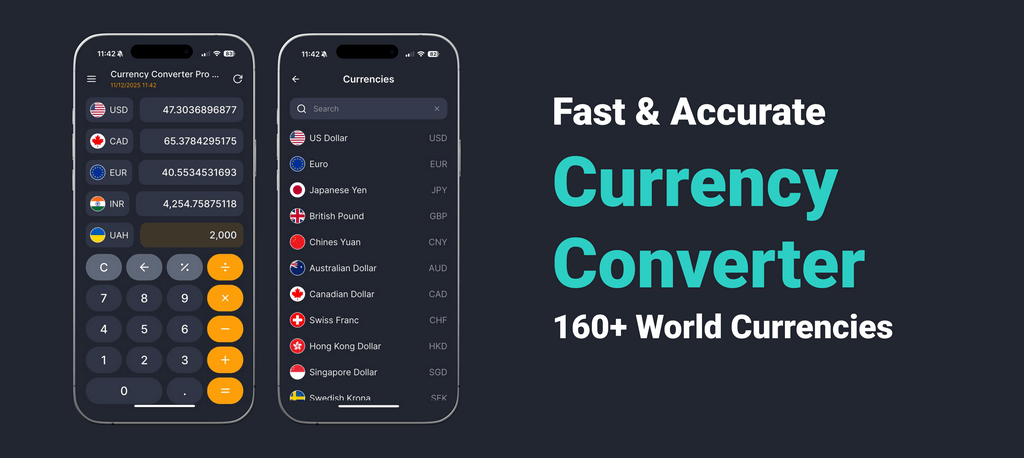
If you searched american currency to nzd, you’re probably trying to make a decision that can’t wait for a finance lecture: you’re pricing a hotel in Auckland, reconciling a subscription billed in NZD, or sanity‑checking how “big” a NZ$ total is before you tap Pay. This page is built for that moment. Use the converter below (or the real demo converter in the header) to get a live reference quote for US Dollar (USD, $) → New Zealand Dollar (NZD, $), then adjust for the real‑world factors that change what you actually pay or receive.
If you do this often, it’s usually quicker to open the app and compare options on the fly—especially when you’re switching between card, ATM, and bank transfer scenarios.
Live exchange rate: USD → NZD today
“Live” means this page shows a reference FX quote that updates, which is great for planning and comparison. USD→NZD is commonly quoted as NZD per 1 USD, so the fast math is:
- USD × (NZD per USD) ≈ NZD
If you ever see the inverse quote (USD per 1 NZD), flip the operation: - NZD × (USD per NZD) ≈ USD
Quick sanity check for direction
With an NZD‑per‑USD quote, converting from USD should usually give you a larger number (because you’re moving into NZ$). If your result shrinks dramatically, you may be looking at the inverse.
How to convert USD to NZD (in practice)
Step 1 — Run your amount through the converter (or the header demo converter) to set a baseline.
Step 2 — Decide which “real” lane you’re in:
- Card purchase (travel or online): network conversion + your issuer’s pricing (and sometimes a foreign transaction fee)
- ATM withdrawal: operator fee + your bank’s fee + FX pricing
- Bank transfer: transfer fee + spread (often embedded)
- Cash exchange: desk spreads; sometimes tiered by amount
Step 3 — Compare like‑for‑like using a fixed test amount (for example, $100). Don’t compare headline rates—compare the final NZD you actually get after fees.
A travel-friendly trick: test your “coffee amount”
Pick an everyday amount you’ll recognize in New Zealand—say NZ$20—and convert it once. Then you can estimate small purchases quickly, and re‑check with the converter (or the app) right before bigger transactions.
Common conversions (example math only — not live rates)
Example only (not a live rate): assume 1 USD = 1.65 NZD (example reference).
| Amount (USD) | Example rate | Approx. result (NZD) |
|---|---|---|
| $1 | 1.65 NZD per 1 USD | NZ$1.65 |
| $10 | 1.65 NZD per 1 USD | NZ$16.50 |
| $50 | 1.65 NZD per 1 USD | NZ$82.50 |
| $100 | 1.65 NZD per 1 USD | NZ$165 |
| $500 | 1.65 NZD per 1 USD | NZ$825 |
| $1,000 | 1.65 NZD per 1 USD | NZ$1,650 |
Why “NZ$ looks close” can still be misleading
USD and NZD both use the “$” symbol, so totals can be confusing at a glance. Always check the currency code (USD vs NZD) on quotes, booking engines, and card terminals.
Fees & spread: why your result differs by provider
The reference quote is a baseline. The outcome changes when providers layer in pricing and service costs:
- Spread (provider margin): embedded in the offered conversion rate
- Fixed or percentage fees: transfers, exchanges, and some card products
- Weekend/off-hours buffers: some providers widen pricing when liquidity is lower
- ATM “stacking”: operator fee + bank fee + FX margin
Cards vs ATMs: where the surprises happen
- Cards: you may pay a foreign transaction fee and a conversion margin from your issuer.
- ATMs: you can get hit twice—an operator fee plus your bank’s fee—on top of FX pricing.
If you want to compare fairly, pick one USD amount and compare the delivered NZD after all costs across options.
The “small fee dominates” effect
On small conversions, a fixed fee can be the main cost. Two services may look similar on rate, but differ a lot on the final result for $20–$50 equivalents.
DCC prompt: “Pay in home currency or local currency?”
Travel micro-scenario: hotels, car rentals, and “helpful” terminals
You’re in New Zealand, you pay at a hotel desk, and the terminal offers: “Charge in USD or NZD?” That “helpful” choice is usually a separate conversion path controlled by the terminal/merchant.
A practical approach: - Prefer the local charge (NZD) so conversion is handled through your card network and issuer pricing. - Avoid the “convert to USD now” option unless you’ve compared the all‑in cost (it’s often harder to benchmark).
When in doubt, do a quick check with the on‑page converter first—and for frequent travel payments, keeping the app handy makes it easier to sanity‑check totals.
Related pages
- USD background and reference context: the US dollar (USD) currency hub.
- Other popular USD pairs to compare fee behavior:
FAQ — USD to NZD
What is the USD to NZD rate today?
Use the converter on this page (or the header demo converter) to see a live reference quote. Treat it as a baseline—your bank, card, ATM, or transfer provider may deliver a different amount after fees and spread.
Do I multiply or divide to convert USD to NZD?
Most quotes show NZD per 1 USD, so you multiply: USD × (NZD per USD) ≈ NZD. If you’re looking at USD per 1 NZD, that’s the inverse and you multiply NZD by that figure to get USD.
Why do card payments in New Zealand cost more than the reference quote?
Your issuer may apply a conversion margin and sometimes a foreign transaction fee. Merchants can also influence the outcome if you accept a separate conversion option at the terminal.
Are ATMs better or worse than paying by card?
It depends on fees. ATMs can include an operator fee plus your bank’s fee in addition to FX pricing. Cards can be cheaper—or not—depending on your issuer’s foreign fee policy.
What’s the biggest “USD vs NZD” mistake?
Both use the “$” symbol, so people misread totals. Always confirm the currency code (USD/NZD) and the direction of the quote.
How can I compare two services fairly?
Use the same USD test amount and compare the final NZD delivered after all fees. Repeat with a bigger amount to see whether spread or fixed fees dominate.
Sources
- Reserve Bank of New Zealand (RBNZ): official site — authoritative NZD and monetary/FX context.
- Federal Reserve: official site — USD monetary context and reference materials.
- Visa: Dynamic Currency Conversion explained — practical guidance on DCC prompts.
- BIS: FX market statistics — background on FX markets and retail vs reference pricing.
Educational only, not financial advice.
Last updated: January 21, 2026