

USD to TRY — Convert US Dollar to Turkish Lira
Myth: there’s one “official” number for american dollar to lira.
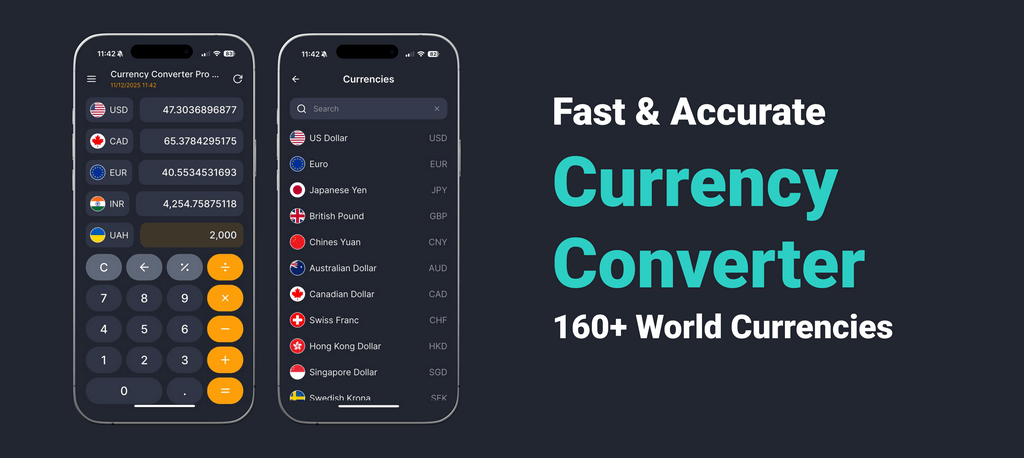
Reality: you’ll see different results depending on how you convert—card, ATM, bank transfer, or cash exchange. This page is built to keep you oriented without the guesswork. The converter shows a live reference quote for US Dollar (USD, $) → Turkish Lira (TRY, ₺), and the header demo converter lets you do the same check instantly. If you find yourself re-checking amounts while traveling or paying invoices, it’s often faster to use the app so you can flip directions and test amounts...
One more thing: a live reference quote is a great baseline, but it won’t include your provider’s spread and fees—which is where most real-world differences come from.
Live exchange rate: USD → TRY today
“Live” here means the converter updates a reference FX quote you can use for comparisons. USD→TRY is most often shown as TRY per 1 USD, so the quick rule is:
- USD × (TRY per USD) ≈ TRY
If you ever see the inverse format (USD per 1 TRY), the math flips: - TRY × (USD per TRY) ≈ USD
American dollar to lira: a 10‑second direction check
Before you trust any quote, run a tiny test: - Convert $1 in the header converter. - The output should be a larger number in ₺ (because it’s TRY per USD). If your result gets smaller, you likely reversed the direction or grabbed the inverse quote.
How to convert USD to TRY (in practice)
Step 1 — Use the converter on this page (or the header demo converter) to get a baseline at the time you plan to convert.
Step 2 — Pick the “lane” that matches what you’re actually doing:
- Card payment (network conversion + issuer pricing)
- ATM withdrawal (operator fees + bank fees + FX pricing)
- Cash exchange (desk spreads; buy vs sell lines)
- Transfer/remittance (service fees + rate margin)
Step 3 — Compare outcomes using one fixed test amount (for example $100) and ask the only question that matters:
“How many ₺ do I end up with after all fees?”
Cash exchange boards: why “buy” vs “sell” matters
Exchange desks often show two lines: - Buy (they buy your USD) - Sell (they sell you USD) When you’re converting USD → TRY, you’re effectively “selling” USD to get TRY, so the relevant line may not be the one you assume at first glance. Always ask for the delivered TRY amount for your exact USD amount.
Common conversions (example math only — not live rates)
Example only (not a live rate): assume 1 USD = 30 TRY (example reference).
| Amount (USD) | Example rate | Approx. result (TRY) |
|---|---|---|
| $1 | 30 TRY per 1 USD | ₺30 |
| $10 | 30 TRY per 1 USD | ₺300 |
| $50 | 30 TRY per 1 USD | ₺1,500 |
| $100 | 30 TRY per 1 USD | ₺3,000 |
| $500 | 30 TRY per 1 USD | ₺15,000 |
| $1,000 | 30 TRY per 1 USD | ₺30,000 |
Why your card/ATM result won’t match the example
The example is just arithmetic with a made-up reference. Real conversions differ because providers price: - a spread into the rate, - fixed fees (especially on ATMs / transfers), - and sometimes weekend/off-hours buffers.
If you want a quick “right now” check before you pay, use the header converter; if you need repeat checks during a day, installing the app usually saves time.
Fees & spread: why your result differs by provider
Think of the reference quote as the map. Providers add the terrain:
- Spread: margin between buy/sell pricing
- Card issuer FX markup: some issuers add a conversion margin or foreign transaction fee
- ATM stacking: operator fee + your bank fee + FX pricing margin
- Transfers: service fees plus margin embedded in the quoted rate
- Timing: spreads can widen when markets are less liquid (often weekends/off-hours)
Small vs large amounts: what changes the “best” option
- For small conversions, fixed fees can dominate (the rate looks fine, the fee hurts).
- For large conversions, the spread often becomes the biggest cost.
That’s why the best comparison method is consistent: pick a test amount and compare delivered TRY after fees, not just the headline rate.
DCC prompt: “Pay in home currency or local currency?”
In travel contexts, you may see a prompt like: - “Pay in USD” (home currency) - or “Pay in TRY” (local currency)
That’s typically Dynamic Currency Conversion (DCC) or a similar operator-set conversion.
Rule of thumb: - Choose TRY (local currency) and let your card network convert. - Choosing USD often means the merchant/operator sets the rate and adds extra margin.
Related pages
- If you need the reverse direction, use the TRY to USD converter.
- For USD basics and context, see the US dollar (USD) currency hub .
- Compare with other popular USD pairs: USD to GBP , USD to COP , USD to INR , or USD to ILS .
FAQ — USD to TRY
What is the USD to TRY rate today?
Use the converter at the top of this page (or the header demo converter) for a live reference quote. Treat it as a baseline—your bank, card, ATM, or exchange desk can deliver a different result after fees and spread.
Do I multiply or divide to convert USD to Turkish lira?
Most quotes show TRY per 1 USD, so you multiply: USD × (TRY per USD) ≈ TRY. If you’re seeing USD per 1 TRY, you’re looking at the inverse.
Why does my ATM conversion look worse than the converter?
ATMs often stack costs: an operator fee, your bank’s withdrawal fee, and a spread inside the FX pricing. Compare the delivered TRY after all fees for the same USD amount.
Is cash exchange better than card payments?
Sometimes, especially for larger amounts—but desk spreads vary and buy/sell lines can be confusing. Cards are convenient but may include issuer markups. The fair comparison is delivered TRY after fees for the same test amount.
Should I choose USD or TRY when a terminal asks?
Choose TRY in most cases to avoid DCC markups. Paying in USD often means the merchant/operator sets the conversion rate.
Do weekends affect USD→TRY conversions?
They can. Some providers widen spreads when markets are less liquid. If you’re converting a larger amount, compare during normal business hours and re-check close to the time you’ll actually pay.
Sources
- Central Bank of the Republic of Turkey (CBRT): official site — official monetary and FX context for Turkey.
- Visa: Dynamic Currency Conversion explained — what DCC is and why “pay in local currency” often wins.
- Mastercard: Dynamic Currency Conversion guide (PDF) — operational details of DCC and pricing responsibility.
- BIS: FX market statistics — background on FX market structure and pricing.
Educational only, not financial advice.
Last updated: January 21, 2026