

Zloty Converter – Convert to PLN
If you’re searching “to zloty”, “to polish zloty”, or “polish zloty to…”, you’re usually trying to answer one simple question: how much PLN you’ll get when you exchange another currency (or what your PLN amount equals in a foreign currency). This hub page is the fastest way to navigate the most popular conversions to PLN, understand what PLN is, and learn how to get a better deal when exchanging money.
PLN is the currency code for the Polish Zloty, the official currency of Poland. You’ll see it in banks, exchange offices, online stores, travel pricing, invoices, and salary/transfer payments connected to Poland. The zloty symbol is written as zł (for example: 50 zł), and amounts are also commonly shown as “PLN” in apps and bank statements.
A quick note about spelling: “zloty” is the English form. In Poland you’ll most often see “złoty” or the symbol “zł”. If you see “1 to zloty”, most users mean “1 unit of a currency to PLN” (like 1 USD to zloty, 1 EUR to zloty, etc.). This page helps you jump to the exact pair you need.
How to read PLN and the zł symbol
When you see zł, think “Polish zloty”. Examples:
- 10 zł = ten zloty
- 199 zł = one hundred ninety-nine zloty
- PLN 250 = 250 zł
If you’re converting from a foreign currency to zloty, the result is usually shown in PLN (or zł). If you’re converting polish zloty to another currency, you’ll usually start with a PLN amount and receive USD/EUR/GBP etc.
Why your final “to PLN” result can differ from what you see online
Many converters show a reference-style rate (a benchmark). Your real result can change depending on:
- The exchange provider’s margin (spread)
- Fees (fixed or percentage)
- Card vs cash vs transfer method
- Timing (weekend/holiday buffers can exist at some providers)
That’s why two people can convert the same amount “to polish zloty” and get slightly different results.
How spread works (the hidden cost most people miss)
The “spread” is the difference between the buy and sell rates a provider offers. Even when a service says “no fee”, it may still earn money by giving you a slightly worse rate than the benchmark. The spread is often the biggest cost for everyday conversions.
A simple way to spot it:
- Check how much PLN you receive for a fixed amount (e.g., 100 USD to PLN) at Provider A vs Provider B.
- The provider that delivers more PLN for the same input is usually cheaper (unless there are extra transfer fees on top).
How to choose the best way to exchange to PLN
For travel and daily spending
- Card payments can be convenient, but your card issuer’s exchange terms matter.
- ATMs can add extra charges (operator fee + bank fee) and sometimes use a less favorable FX method for withdrawals.
- Cash exchange is straightforward, but exchange offices often have a noticeable spread.
For transfers
- Compare the final PLN delivered (the “recipient gets” amount), not only the advertised rate.
- Watch for fixed fees on small transfers and percentage fees on large transfers.
- Check if the transfer may involve intermediary bank charges.
If you want the simplest approach for day-to-day checking, use a converter you trust and always compare the “final amount” shown at confirmation in your bank/app.
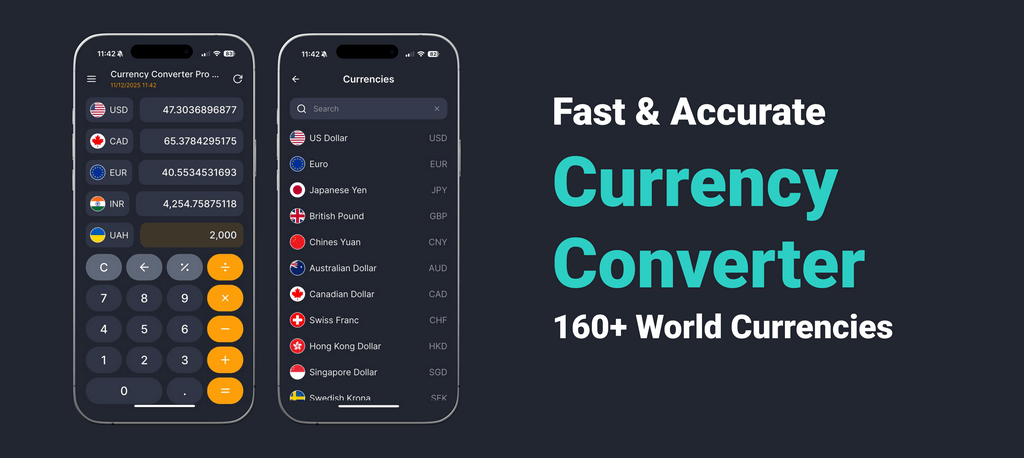
Always up-to-date rate in the app
If you want a quick way to check rates on the go, keep an always current rate in the app:
- Android: Currency Converter Pro Live on Google Play
- iPhone: Currency Converter Pro Live on the App Store
Most popular conversions to PLN
Below are the most visited “to zloty” currency pairs. Use these as your navigation hub to jump straight to the converter page you need:
USD to PLN
US Dollar to Polish Zloty
EUR to PLN
Euro to Polish Zloty
GBP to PLN
Pound Sterling to Polish Zloty
CAD to PLN
Canadian Dollar to Polish Zloty
CHF to PLN
Swiss Franc to Polish Zloty
SEK to PLN
Swedish Krona to Polish Zloty
HUF to PLN
Hungarian Forint to Polish Zloty
AED to PLN
UAE Dirham to Polish Zloty
Tip: If you’re comparing providers, open the pair page you need and use the quick table there as a sanity check. It’s the fastest way to see whether a quoted rate looks reasonable.
Top directions from PLN (polish zloty to…)
Many users also need the reverse direction—converting polish zloty to major currencies for travel, online purchases, work, or international transfers. These are the most common “from PLN” pages:
Why this hub page matters (and how to use it)
This page is a landing-hub: it helps you navigate fast, learn the basics of PLN, and choose a smarter exchange method. If you’re unsure where to start, pick the currency you have and click the matching “to PLN” page above. If you already have PLN and need another currency, use the “from PLN” links.
FAQ about PLN and converting to zloty
What is PLN?
PLN is the currency code for the Polish Zloty, Poland’s official currency. Prices in Poland are usually shown in zł or PLN.
What does “zł” mean?
“zł” is the symbol for Polish zloty. If you see 49 zł, it means 49 PLN.
What does “to zloty” mean in search?
It usually means converting another currency into PLN (for example USD to zloty, EUR to zloty). People also search “to polish zloty” for the same intent.
Why do different services show different PLN results?
Because of spread (rate margin) and fees. Banks, exchange offices, ATMs, and transfer services can apply different markups or charges.
How do I get a better rate when converting to PLN?
Compare the final PLN amount you receive for the same input amount. Watch for hidden spreads, fixed fees, and ATM/card charges. For transfers, compare the net PLN delivered after all fees.
Is it normal for rates to look different on weekends or holidays?
Yes. Some providers widen spreads outside active market hours or when official reference tables aren’t updated. For large exchanges, checking again during business days can help.
Last updated: January 22, 2026